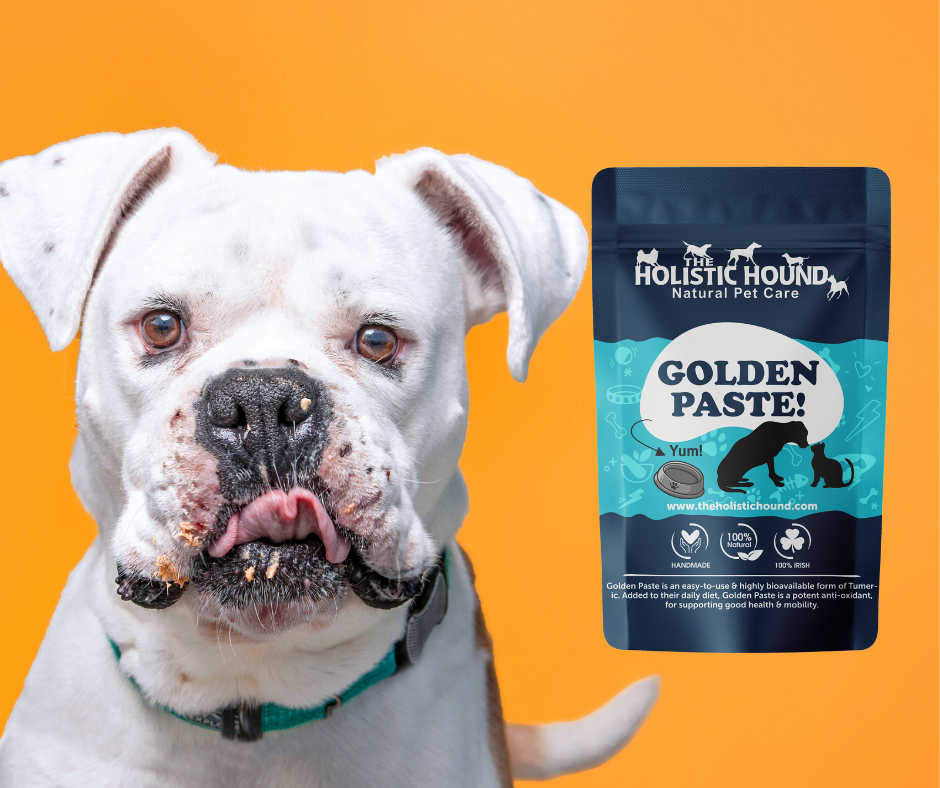
Golden Paste
Regular price
€12.50
Sale price
Botanical Name
Valeriana officinalis
(Family: Caprifoliaceae)
Plant Part Used: Dried root and rhizome
Overview
Valerian root is one of the most widely used herbal sedatives in Western herbalism. It is valued for its ability to calm the nervous system, support sleep, and relax muscle tension. Its effects vary among individuals—some find it strongly sedating, while others experience mild stimulation.
While generally safe, it should be used responsibly due to its sedative properties and possible interactions with medications.
Also, some pets experience stimulation rather than sedation!
Key Actions
Sedative / hypnotic
Anxiolytic (calming)
Antispasmodic (relaxes smooth and skeletal muscle)
Mild analgesic
Nervine (supports the nervous system)
Primary Uses
Insomnia, especially from stress or anxiety
Restlessness and nervous tension
Anxiety
Muscle tension, spasms, or cramping
Can be strong-tasting
Note: Best taken consistently for 1–2 weeks for full effect.
Safety & Cautions
General Safety
Valerian is widely considered safe for short- to medium-term use.
However, because of its sedative effects, certain cautions are important.
Do NOT combine with:
Sedative medications (benzodiazepines, sleep drugs, barbiturates)
Anesthesia (stop use 1–2 weeks before surgery)
Other strongly sedating herbs unless directed professionally
Contraindications & Use With Caution
Pregnancy and breastfeeding (safety not established)
Liver disease (rare reports of liver issues—use cautiously and short-term)
Individuals who experience paradoxical stimulation (restlessness, vivid dreams, agitation)
Special Notes
Effects build over time; not always a “knockout” herb.
Often more effective when combined in formulas with hops, passionflower, skullcap, or lemon balm.
Best used for sleep issues related to stress and nervous tension, not for sleep apnea or restless leg syndrome.