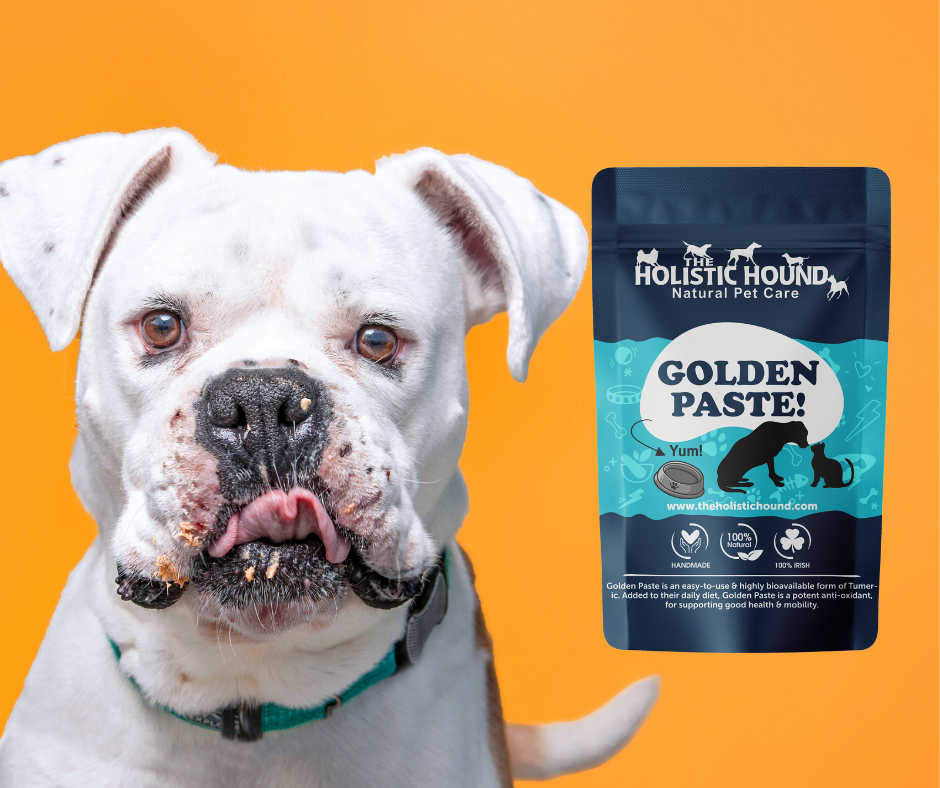
Golden Paste
Regular price
€12.50
Sale price
Curcuma longa (Turmeric)
Family: Zingiberaceae
Traditional Uses (According to Major Herbal Monographs)
Relief of mild digestive disturbances, including: Bloating, Flatulence, Slow digestion,
Support of liver and gallbladder function
Adjunct for minor biliary tract complaints
Loss of appetite
Supportive use in inflammatory conditions (traditional, not licensed)
Note: Modern research investigates anti-inflammatory effects, but these are not considered traditional monograph-approved indications.
Mechanisms of Action
Curcuma longa contains curcuminoids (curcumin, demethoxycurcumin, bisdemethoxycurcumin) and volatile oils (e.g., turmerones), which underlie most actions.
1. Anti-inflammatory Activity
Inhibits NF-κB, a major regulator of inflammation
Decreases inflammatory cytokines (IL-1β, IL-6, TNF-α)
Inhibits COX-2 and LOX pathways
Reduces prostaglandin and leukotriene synthesis
2. Antioxidant Effects
Strong free radical scavenging
Upregulates endogenous antioxidant enzymes (SOD, catalase, glutathione peroxidase)
3. Digestive and Biliary Effects
Choleretic and cholagogic actions: increases bile production and flow
Enhances digestion of fats
Supports liver detoxification enzymes
4. Antimicrobial Effects
Mild antibacterial, antifungal, and antiviral activity
Mainly supportive rather than therapeutic
5. Metabolic Effects
May improve glucose metabolism and insulin sensitivity
May reduce systemic oxidative stress involved in metabolic syndrome
6. Neuroprotective Actions
Reduces neuroinflammation
Antioxidant protection of neuronal cells
Adverse Reactions
Turmeric is generally safe but can cause digestive or gallbladder-related reactions.
Gastrointestinal upset
Diarrhoea
Nausea
Yellowing of stools
Gallbladder Effects: May worsen gallstones or bile duct obstruction due to increased bile flow
Contraindicated in biliary obstruction, acute gallstone colic, or severe liver disease
Kidney Oxalate Caution: High intake (especially powders) may raise urinary oxalates and risk kidney stones in predisposed pets
Interactions With Other Supplements
1. Supplements That Affect Blood Clotting
Curcumin has mild antiplatelet effects.
Use caution when combined with:
Ginkgo
Garlic (high-dose)
Ginger (high-dose)
Fish oil / omega-3s
Vitamin E (high-dose)
Nattokinase / serrapeptase
Willow bark
2. Hypoglycemic Supplements
Curcumin can modestly enhance insulin sensitivity.
Caution with:
Berberine
Gymnema
Cinnamon extract
Alpha-lipoic acid (ALA)
Fenugreek
Combined use may produce additive blood sugar–lowering effects.
3. Anti-inflammatory Supplements
Curcumin may exhibit synergistic effects with:
Boswellia
Omega-3 fatty acids
Resveratrol
Quercetin
4. Antioxidant Supplements
Additive or synergistic antioxidant effects with:
Vitamin C
Vitamin E
ALA
Glutathione
CoQ10
Generally safe, but may theoretically diminish therapeutic oxidative signaling for immune activity.
5. Supplements Affecting CYP450 Enzymes
Curcumin may inhibit:
CYP1A2
CYP3A4
CYP2C9
So potential interactions with herbs metabolized through these pathways:
St. John’s wort
Goldenseal
Milk thistle
6. Iron Absorption
Curcumin may inhibit iron absorption slightly.
Use caution if combined with:
Iron supplements
Iron-rich herbal formulas