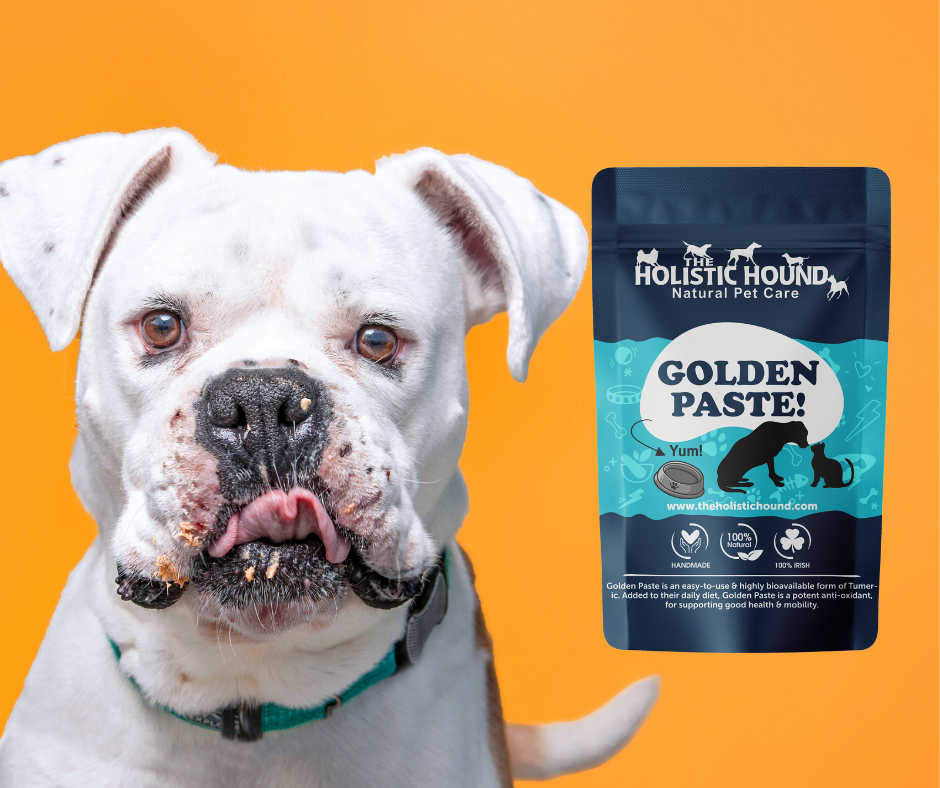
Golden Paste
Regular price
€12.50
Sale price
Botanical Name
Glycyrrhiza glabra
(Family: Fabaceae)
Plant Part Used: Root and stolon
Overview
Licorice root is a sweet-tasting medicinal plant used for thousands of years in Traditional Chinese Medicine, Ayurveda, and Western herbalism. It is valued as an anti-inflammatory, demulcent, adaptogen, and antiviral herb.
Key Actions
Demulcent – soothes and coats irritated mucous membranes
Anti-inflammatory – especially for respiratory and digestive tissues
Expectorant – supports productive coughs
Adrenal supportive (adaptogenic effects)
Antiviral and antimicrobial
Mild laxative
Anti-ulcer – protects against gastric irritation
Primary Uses
Respiratory System
Bronchitis
Digestive System
Gastritis
Acid reflux / GERD
Peptic ulcers
General gastric irritation
Endocrine & Stress Support
Mild adrenal support during chronic stress or fatigue (short-term use)
Safety & Cautions
⚠️ Important: Licorice containing glycyrrhizin can cause serious side effects with excessive or long-term use. Short-term use is generally considered safest.
Contraindications
Avoid or use only with practitioner supervision for pets with:
High blood pressure (hypertension)
Heart disease
Kidney disease
Liver disease
Low potassium (hypokalemia)
Fluid retention / edema
Drug Interactions
Use caution with:
Diuretics
Corticosteroids
Heart medications (esp. digoxin)
Blood pressure medications
Warfarin or other anticoagulants
Licorice may amplify potassium depletion when combined with diuretics or steroids.