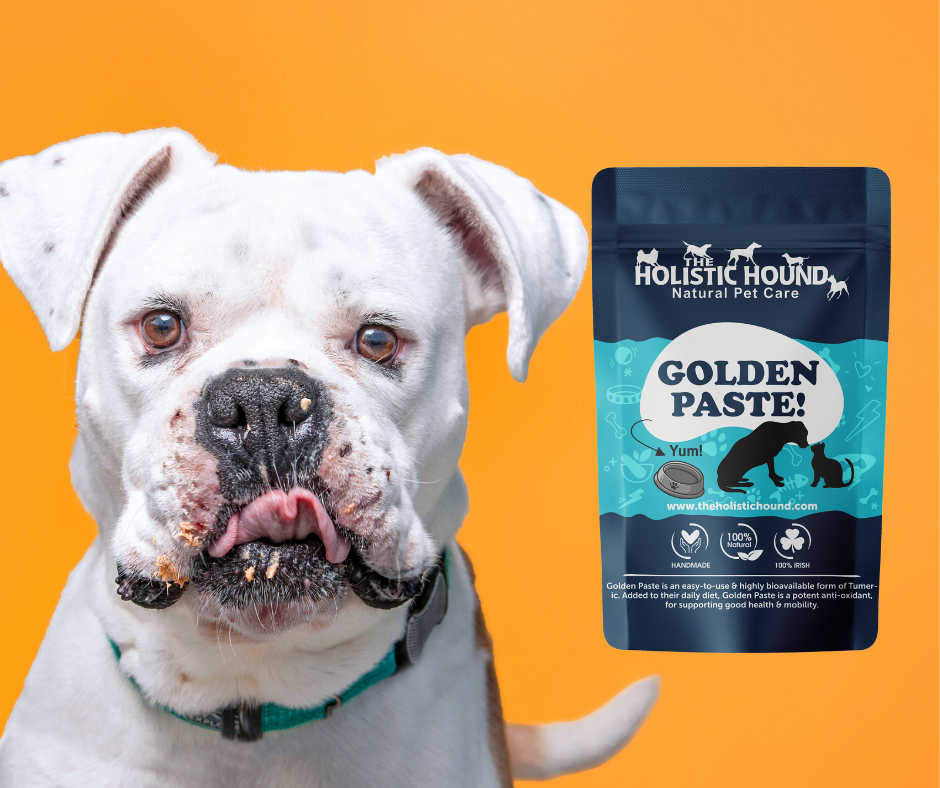
Golden Paste
Regular price
€12.50
Sale price
Common Names: Cornsilk, Stigma of maize
Plant Part Used: Styles and stigmas of the corn plant
Family: Poaceae
Key Constituents: Flavonoids (maysin, luteolin derivatives), Volatile oils, Saponins, Polyphenols, Potassium salts, Polysaccharides, Vitamins (notably K)
Actions (Traditional & Contemporary)
Diuretic
Soothing urinary demulcent
Anti-inflammatory (urinary tract)
Mild urinary antiseptic
Anti-lithic (supports proper urinary flow)
Soothing to mucous membranes
Traditional Uses
Support for urinary tract irritation
Promote healthy urination
Assist in flushing the urinary tract
Support for urinary gravel or mild urinary stagnation
Historically used for cystitis, urethritis, and prostatitis
Soothing remedy for irritated bladder mucosa
General Safety
Cornsilk is considered very safe, gentle, and well-tolerated. It has a long history of traditional use.
Cautions
Medication interactions (possible):
Cornsilk contains vitamin K; use caution with anticoagulant/antiplatelet medications.
Its diuretic effect may increase clearance of some drugs or interact with pharmaceutical diuretics.
Hypokalemia risk:
Strong or prolonged diuretic use could theoretically lower potassium, although cornsilk is naturally potassium-rich, making this uncommon.
Diabetes / blood sugar:
Some evidence suggests cornsilk may modestly affect blood glucose; individuals with diabetes should monitor for changes.